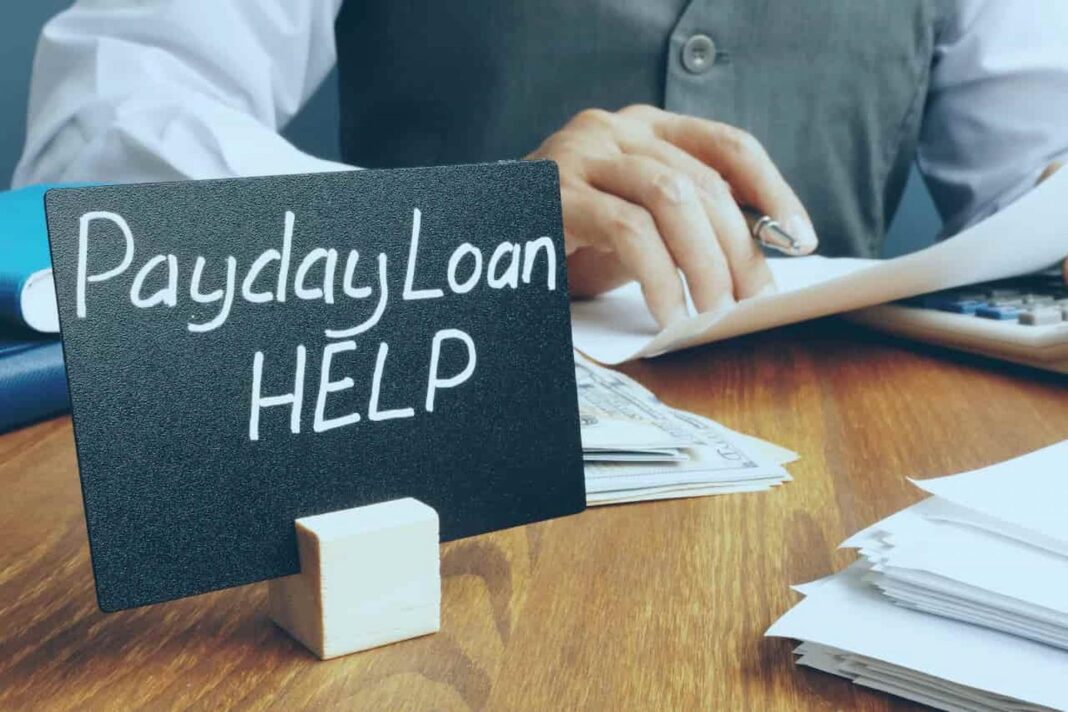

Are you facing an unexpected expense and need cash fast? While payday loans offer a quick solution, they come with both benefits and risks. In this article, we’ve explored the pros and cons to help you make an informed decision. But before you jump in, ask yourself: Is this the best financial option for you?
Life is unpredictable, and sometimes you need cash fast. Finding a quick solution can feel overwhelming whether it’s a sudden car repair, medical bill, or an unexpected expense. One option that many people turn to in these situations is payday loans. But before diving in, it’s essential to understand exactly what payday loans are, how they work, and the benefits and risks.
In this article, we’ll break down payday loans, their advantages, and the things you should consider before using them. You’ll be better equipped to decide if a payday loan is right for your financial situation.
What Are Payday Loans?
A payday loan is a short-term, high-interest loan designed to cover immediate expenses until your next payday. These loans are typically small and are intended to be repaid quickly, usually within two weeks. Payday loans are typically unsecured, meaning you don’t need to put up any collateral like your car or house.
These loans are often marketed as a quick solution for people who need cash urgently but don’t have access to traditional credit options. They are widely available through payday lenders, both online and in physical locations.
How Payday Loans Work
Here’s how payday loans generally work:
- Loan Application: You apply for the loan by providing proof of income, identification, and a bank account. Some lenders may also require information about your employment and other financial details.
- Loan Approval: If your application is approved, the lender will deposit the agreed-upon loan amount directly into your bank account.
- Repayment: The loan is typically due on your next payday, with repayment often automatically withdrawn from your bank account on the due date.
- Interest and Fees: Payday lenders charge high interest rates and fees, which can vary by state. If you cannot repay the loan on time, you may incur additional fees, and the loan may be extended, adding to the overall cost.
Benefits of Payday Loans
- Fast and Easy Access to Cash
The biggest benefit of payday loans is the speed you can access funds. You can usually apply for and receive the loan on the same day. If you urgently need cash to cover an unexpected bill or emergency, this immediate access can be a lifesaver.
- Minimal Requirements
Unlike traditional loans that require a credit check, payday loans have fewer requirements. You only need a steady income, proof of identification, and a bank account. This makes payday loans appealing for people with poor credit or no credit history.
- No Collateral Needed
Most payday loans are unsecured, so you don’t have to offer anything of value as collateral. This makes payday loans more accessible, especially for people who may not have assets to put at risk.
- Convenient Application Process
Applying for payday loans is typically a straightforward process. Many payday lenders offer online applications, meaning you can apply from the comfort of your home, often without visiting a physical location. This convenience makes payday loans an attractive option for busy individuals.
- Flexible Loan Amounts
While payday loans are usually small, you can find lenders that offer a range of loan amounts depending on your needs. This flexibility can help you borrow just the right amount of money to cover your expenses.
Things to Consider Before Taking a Payday Loan
While payday loans offer many advantages, they also have risks and downsides. Before deciding whether to use payday loans, consider these important considerations.
- High Interest Rates and Fees
One of the biggest drawbacks of payday loans is the high cost. The interest rates on payday loans can be significantly higher than traditional loans. Payday loans can have annual percentage rates (APRs) ranging from 300% to 500%, or even higher in some cases. These high rates make payday loans an expensive form of borrowing, and the fees can quickly add up if you need more time to repay the loan.
Example of Payday Loan Fees:
- A £300 payday loan with a 15% fee would result in an additional £45 charge, making your total repayment amount £345.
- If you fail to repay the loan on time, the lender may charge additional fees for late payment or rollover, increasing the amount you owe.
- Risk of Falling into a Debt Trap
Because payday loans are due so quickly, many borrowers cannot repay the loan by the due date. If you cannot repay the loan, the lender may offer to extend the loan by rolling it over, but this will come with additional fees and interest charges. This cycle can quickly become a debt trap, where you’re stuck paying fees and interest without ever fully paying off the loan.
- Short Repayment Period
Another potential drawback of payday loans is the short repayment period. Most payday loans require repayment in full by your next payday, which is often just two weeks away. If you’re struggling to make ends meet, this short time frame can make it difficult to repay the loan in full, especially if you’re already living paycheck to paycheck.
- Not Ideal for Long-Term Financial Needs
Payday loans are meant for short-term, emergency expenses, not for long-term financial needs. If you’re using payday loans regularly to cover ongoing expenses, it could be a sign of underlying financial problems that need to be addressed.
- Impact on Credit Score
Unlike some other types of loans, payday lenders do not typically report to credit bureaus. While this means that payday loans don’t affect your credit score directly, missed payments or defaults could lead to collections or legal action, negatively affecting your credit score in the long run.
How to Avoid Problems with Payday Loans
If you decide that a payday loan is your best option, here are some tips to help you avoid common pitfalls:
- Only Borrow What You Can Afford to Repay
Before taking out a payday loan, make sure you can repay the full amount, including interest and fees, by the due date. If you’re unsure whether you can afford it, consider other options before turning to payday loans.
- Avoid Rollover Loans
If you can’t repay your payday loan on time, try to avoid rolling it over into a new loan. Instead, consider talking to your lender about an extension or a repayment plan or look into other sources of emergency funding.
- Look for Lenders with Transparent Terms
Some payday lenders hide their fees or use deceptive advertising tactics. Read the loan terms carefully and ask the lender about any fees or additional charges upfront.
- Use Payday Loans for Emergencies Only
Payday loans should only be used for unexpected emergencies. If you rely on payday loans regularly, it may be time to reassess your financial habits or seek professional financial advice.
Conclusion
Payday loans can be a helpful financial tool for those facing urgent expenses and who don’t have access to traditional credit. They offer fast, convenient access to cash with minimal requirements. However, payday loans come with significant costs, including high interest rates and fees and the risk of falling into a debt cycle.
If you’re considering a payday loan, it’s crucial to weigh the benefits against the potential downsides. Always borrow responsibly, only take out what you can afford to repay, and explore other financial options if possible.
Payday loans may be a lifesaver in an emergency, but they should be used cautiously and as a last resort. Always ensure you’re fully aware of the terms and costs before deciding.